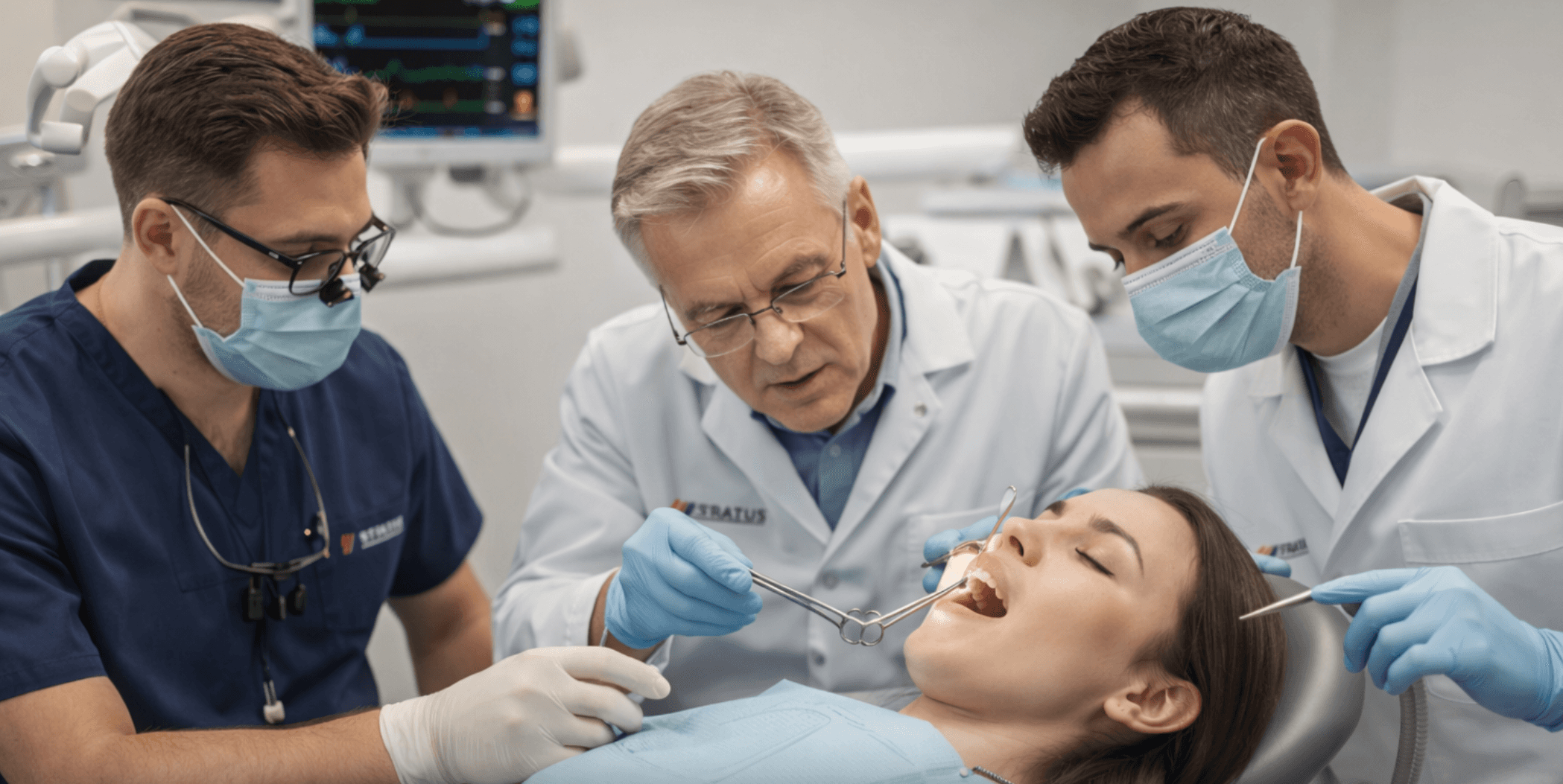
How IV Sedation Improves the Dental Patient Experience — And What That Means for Your Practice
Sedation Dentistry
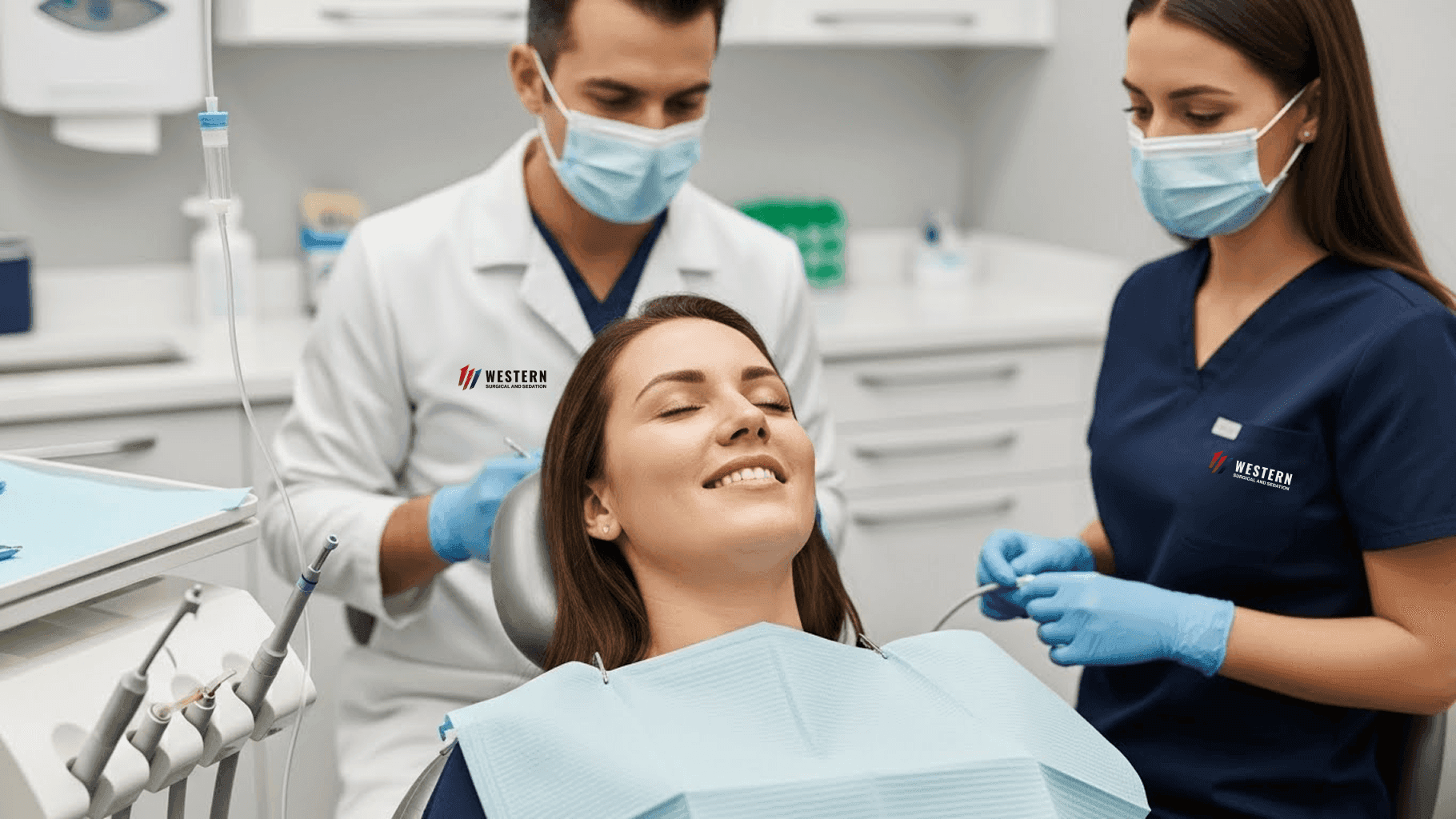
Somewhere between 9% and 15% of Americans avoid the dentist entirely because of fear. Many more attend, but only under significant stress — white-knuckling through cleanings, canceling surgical appointments at the last minute, or refusing treatment recommendations that would genuinely improve their health.
Dental anxiety is not a niche problem. It is one of the most consistent barriers to treatment acceptance in general dentistry, and it shows up in practices of every size, in every market.
IV moderate sedation is the most effective clinical tool available for addressing it. When used appropriately, sedation does not just make patients more comfortable — it changes the entire dynamic of the appointment. It changes what patients agree to, how efficiently procedures can be completed, and how likely patients are to return.
Here is what that looks like in practice.
What Dental Anxiety Actually Costs a Practice
Before getting into how sedation helps, it’s worth being clear about what untreated dental anxiety costs — both for patients and for practices.
For patients, anxiety-driven avoidance leads to delayed treatment, worsening conditions, higher complexity cases when they finally do present, and worse long-term oral health outcomes. Patients who are afraid don’t follow through on restorative treatment plans. They don’t return for recommended surgical procedures. They refer less frequently because their experience wasn’t positive enough to mention.
For practices, the financial picture is equally clear. Anxious patients who cancel, refuse treatment, or leave for another provider represent real, measurable production loss. High cancellation rates on surgical cases — wisdom teeth, implant placements, longer restorative appointments — are often rooted in patient anxiety, not scheduling conflicts.
Sedation directly addresses this pattern. Practices that offer in-office IV moderate sedation consistently report higher treatment acceptance rates, fewer cancellations on complex procedures, and stronger patient loyalty over time.
How IV Moderate Sedation Changes the Patient Experience
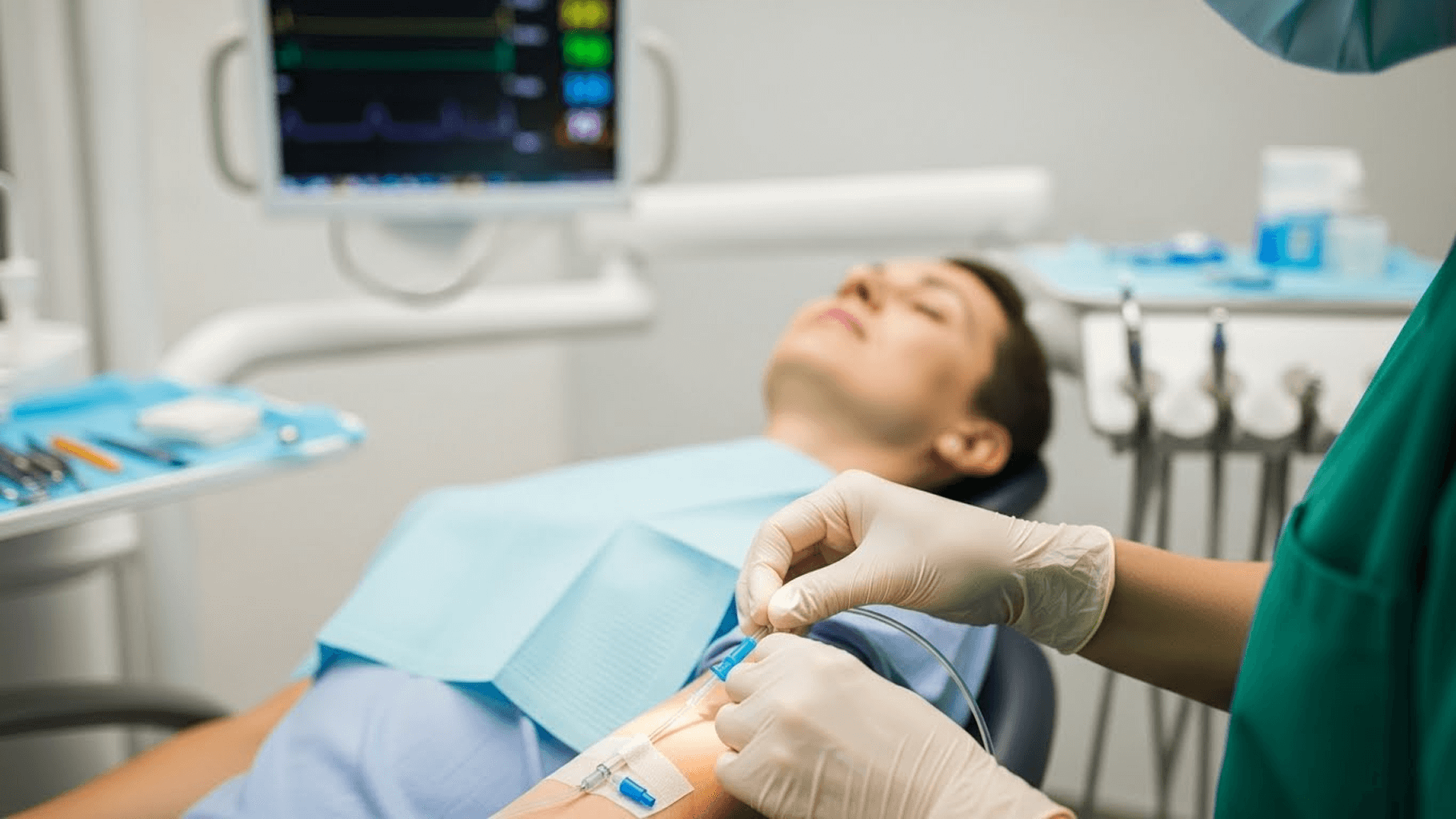
IV moderate sedation — sometimes called conscious sedation — produces a state of deep relaxation while allowing the patient to remain responsive and breathing independently. It is not general anesthesia. Patients do not lose consciousness. But the experience is fundamentally different from local anesthesia alone.
The clinical and experiential benefits for patients include:
Significantly reduced anxiety and fear response.
The amnestic properties of benzodiazepine-based IV sedation mean that most patients have little to no memory of the procedure afterward. For highly anxious patients, this is not a minor convenience — it is the difference between completing treatment and refusing it entirely. Patients who previously needed weeks of mental preparation for a single extraction often describe sedated appointments as non-events.
Improved tolerance for longer or more complex procedures.
A sedated patient who would normally require multiple shorter appointments can often complete significantly more treatment in a single visit. This is a genuine benefit for patients with complicated treatment plans, significant caries burden, or multiple surgical needs — and it dramatically improves practice efficiency at the same time.
Reduced gag reflex and physical tension.
Many patients with strong gag reflexes or high muscle tension are genuinely difficult to treat under local anesthesia alone. Sedation relaxes the musculature and suppresses the gag response, making access easier, procedures faster, and outcomes more predictable for both patient and clinician.
A more positive overall association with dental care.
Patients who have a comfortable, low-stress dental experience are significantly more likely to return, to accept future treatment recommendations, and to refer family and friends. The sedation appointment itself becomes an anchor for a different kind of relationship with dentistry — one not defined by fear.
What Sedation Does for the Clinician
The patient benefits are real and significant. But sedation also changes the clinical environment in ways that directly affect procedure quality and dentist experience.
A calm, cooperative patient reduces the physical and mental demands on the clinician. Procedures that are technically demanding under tension — surgical extractions, implant placements, longer restorative cases — are measurably easier when the patient is relaxed and still. The clinician can focus on technique rather than managing patient movement, anxiety responses, or repeated pauses.
Many dentists who add IV sedation to their practice report that it changes how they experience their own workday. Fewer difficult interactions. More predictable surgical cases. Appointments that finish on time. Patients who are grateful rather than distressed.
That’s not a small thing. Burnout in dentistry is a real and documented problem, and much of it stems from the emotional labor of managing anxious patients across a full day of complex procedures. Sedation reduces that load while simultaneously improving clinical outcomes.
The Practice Growth Case for Offering IV Sedation
Offering in-office IV moderate sedation creates a meaningful competitive differentiation. Most general dental practices in any given market do not offer it. Patients who need sedation — or who strongly prefer it — often travel significant distances or accept long waits to access a provider who can deliver it in a comfortable, familiar environment.
The revenue impact is direct. Sedation fees add production to every appointment where it is used. Cases that would have been referred to an oral surgeon stay in-house. Treatment plans that would have been accepted in pieces get completed in fewer visits. Patients who had previously avoided care become regulars.
There is also a referral effect. Dentists who offer sedation become the provider friends and family members are sent to by patients who had a positive experience. In markets where sedation availability is limited, this word-of-mouth effect can be a meaningful driver of new patient acquisition without additional marketing spend.
Why Training Is the Critical Variable
The benefits of IV moderate sedation are only available to the dentist who knows how to deliver it safely, confidently, and within the appropriate scope of clinical indications. This is not a skill that develops from a single weekend course or a lecture-based CE program.
Safe IV sedation requires genuine competence in patient selection, drug titration, airway monitoring, emergency preparedness, and the clinical judgment to recognize and respond to adverse events before they escalate. These skills are built through live patient experience under expert supervision — not through simulation or observation alone.
At Western Surgical and Sedation, IV moderate sedation training is built around the same principle as our surgical training: hands-on, mentored, and grounded in real clinical practice. Dr. Hendrickson has attended over 60,000 sedations as a general dentist — not a specialist. His training reflects what actually works in a general practice environment: practical protocols, conservative titration, and a safety framework designed for the realities of the operatory.
Dentists who complete the training don’t just earn a certificate. They leave with the clinical foundation to offer sedation confidently, build the systems to deliver it consistently, and create the kind of patient experience that changes how their practice grows.
Frequently Asked Questions
What is IV moderate sedation in dentistry?
IV moderate sedation (also called conscious sedation) is a technique where sedative medications are administered intravenously to produce a state of deep relaxation during dental procedures. Patients remain responsive and breathe independently. It is distinct from general anesthesia and is commonly used to manage dental anxiety, reduce the gag reflex, and allow more complex treatment to be completed in a single visit.
Is IV sedation safe at a general dental practice?
Yes, when performed by a properly trained dentist with the appropriate equipment, monitoring protocols, and emergency preparedness. IV moderate sedation has a strong safety record when delivered within its correct clinical indications. State licensure requirements vary; dentists must hold the appropriate permit and meet continuing education requirements to offer sedation legally in their state.
What types of patients benefit most from dental sedation?
Patients with significant dental anxiety, strong gag reflexes, low pain tolerance, or complex multi-procedure treatment plans typically benefit most from IV moderate sedation. It is also frequently used for surgical procedures such as wisdom tooth extractions, implant placements, and longer restorative appointments where local anesthesia alone may not provide adequate comfort.
Does sedation dentistry help with dental phobia?
It is one of the most effective tools available for patients with dental phobia. The amnestic effect of benzodiazepine-based IV sedation means many patients have little or no memory of the procedure afterward. Over time, positive experiences with sedation can reduce the overall fear response and improve long-term treatment compliance.
Can a general dentist offer IV sedation, or does it require a specialist?
General dentists can legally offer IV moderate sedation in most U.S. states with the appropriate state permit and training. The key requirement is completing an accredited sedation training program that includes live patient experience, not just didactic coursework. Western Surgical and Sedation’s training program is designed specifically to prepare general dentists to offer this service safely and confidently in their own practice.


Related Articles
Related reading
Explore articles connected to surgical training, IV moderate sedation, and real world clinical decision making, selected to support dentists applying advanced care in daily practice.